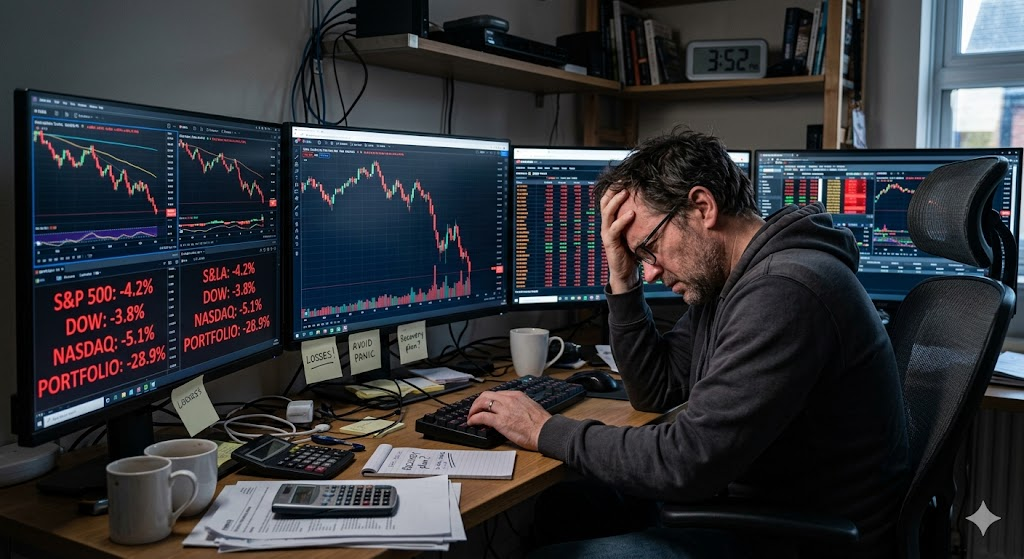
Prop Firm Pass Rate: Why Most Traders Never Get Paid
Prop firms sell a clean dream: pass a challenge, trade the firm's capital, keep most of the profit. The data tells a colder story — the overwhelming majority of people who buy an evaluation never see a single payout.
Across roughly 300,000 accounts at ten firms, industry figures put the challenge pass rate at about 14% and the share of accounts that ever received a payout at just 7%. Read that twice: for every hundred traders who pay for an evaluation, around fourteen clear it, and only seven ever actually get paid. The other ninety-three are, in effect, the business model. Finance Magnates
Passing the evaluation is only half the battle
The gap between those two numbers is the part the marketing quietly skips. If 14% pass but only 7% ever withdraw, then roughly half the traders who actually beat the challenge still walk away with nothing — blowing the funded account, tripping a rule, or giving back profit before a withdrawal ever clears. The evaluation isn't the finish line. It's the qualifying round, and the main event is harder. Finance Magnates
"Legal" does not mean "safe"
It's worth understanding what you're actually trading. Many evaluation firms run simulated environments rather than regulated brokerage accounts — the firm writes the rules, scores the game, and signs the cheques. That isn't inherently fraud, but it does park an awful lot of power on one side of the table. Tellingly, several large operators have recently bolted regulated brokerage entities onto their corporate structures, which is the industry quietly admitting the old model sat in a regulatory grey zone. Finance Magnates
Why most traders never make it — the part you control
The firm's structure is one variable; your own behaviour is the one you actually control, and it's where most evaluations die. Revenge trading after a red candle, sizing up to "make it back," ignoring the daily loss limit, and feeding open profit to a trailing drawdown are the usual suspects. None of those are market problems — they're discipline problems, and they're the entire subject of trading psychology.
The traders who survive tend to be aggressively boring: fixed risk per trade, a hard stop on the day after a set number of losses, and zero interest in being right — only in following the plan. It is the exact opposite of the all-in hero trade the evaluation quietly dares you to take. The funnel doesn't thin out because trading is impossible; it thins out because patience is.
How to land in the 7%
Two levers move the odds. First, trade as if the funded account already exists — protect drawdown like real money is on the line, because the second you pass, it is. Second, pick a firm that actually pays, because a brutal payout rate isn't only a skill problem; some firms make withdrawals deliberately awkward. Before you hand over an evaluation fee, check the all-in cost and the payout track record, which is exactly what our true-cost breakdowns exist for.
Know your category, too. Futures prop firms face the heaviest regulatory pressure right now, while payout reliability and rule-strictness vary wildly across forex and crypto operators. The pass rate is unforgiving everywhere — but the firm you choose decides whether clearing it actually translates into money in your account.


